European Federation of Tourist Guide Associations
Top

10 Things to Know About SNATTI - GUIAS DE PORTUGAL

Snatti - Guias de Portugal

1. What year was SNATTI established, and where is the headquarters?

SNATTI – Guias de Portugal was founded on 24 April 1936, making it the oldest and largest professional association representing Tourist Guides in Portugal.

The Association's headquarters are located in Lisbon, the capital of Portugal.

2. What is the primary mission/goal of SNATTI?

SNATTI's mission is to represent, support and promote professionally qualified Tourist Guides in Portugal, while upholding the highest standards of professionalism, ethics and quality.

The Association is committed to protecting the profession, promoting continuous professional development, supporting lifelong learning, and encouraging excellence in guiding. SNATTI also works closely with public authorities, cultural institutions and tourism stakeholders to strengthen the recognition of Tourist Guides as essential ambassadors of Portugal's cultural and natural heritage.

3. How does someone become a qualified Tourist Guide in Portugal?

To become a qualified Tourist Guide in Portugal, candidates must successfully complete a recognised higher education programme in Tourist Guiding or meet the legal requirements for access to the profession.

Applicants who fulfil these requirements may then undertake the professional certification process organised by SNATTI, which assesses the knowledge, practical skills and professional competencies required to work as a Tourist Guide in Portugal.

The certification process includes both theoretical and practical assessments and is designed to ensure the highest standards of professionalism and quality for visitors.

4. After becoming qualified, what are some of the professional development classes that guides typically take in Portugal to enhance their knowledge and skills?

Qualified Tourist Guides in Portugal regularly take part in continuing professional development activities to update and deepen their knowledge.

These may include specialised courses, seminars, technical visits and training sessions on Portuguese history, art history, archaeology, architecture, religious heritage, UNESCO World Heritage Sites, museums and monuments, wine tourism, gastronomy, nature and landscape interpretation, accessibility, sustainability, communication skills and new technologies applied to guiding.

SNATTI also promotes lifelong learning through cultural programmes, professional meetings and training initiatives designed to help Tourist Guides maintain high standards of quality, accuracy and professionalism.

5. Is there an official badge that qualified Tourist Guides in Portugal wear?

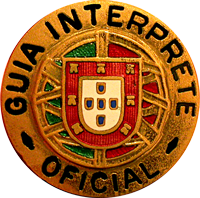
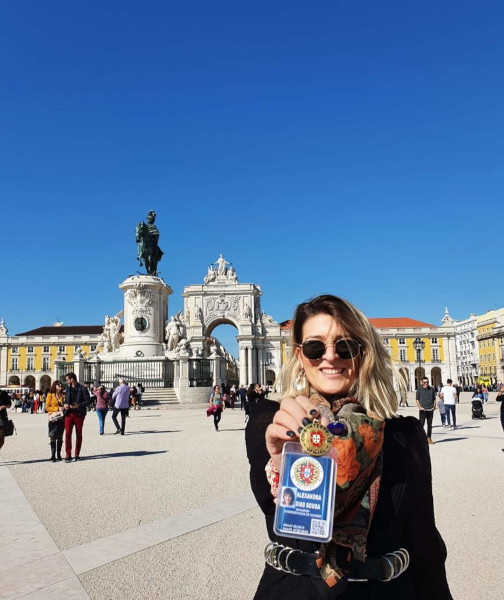
Yes. Qualified Tourist Guides in Portugal may wear an official professional badge issued by SNATTI – Guias de Portugal.

The badge identifies the guide as a recognised professional and helps visitors, institutions and tourism partners distinguish qualified Tourist Guides from other tourism professionals.

6. How many qualified Tourist Guides are members of SNATTI and what are their diverse backgrounds? Also, how many languages do they guide in, and do they specialise in themed tours?

SNATTI represents several hundred qualified Tourist Guides working throughout mainland Portugal and the Autonomous Region of Madeira.

Its members come from diverse academic and professional backgrounds, including history, art history, archaeology, architecture, languages, cultural heritage, tourism, education, wine tourism and other specialised fields.

SNATTI Tourist Guides work in a wide range of languages, covering the main European languages as well as several other world languages, according to visitor demand.

Many members also specialise in themed tours, such as UNESCO World Heritage Sites, religious heritage, Jewish heritage, contemporary culture, gastronomy and wine tourism, literary tours, nature and landscape interpretation, accessible tourism and tailor-made cultural experiences.

7. What are some of the top reasons for using a qualified Tourist Guide in Portugal?

A qualified Tourist Guide transforms a visit into a meaningful and memorable experience by bringing Portugal's history, culture and traditions to life through accurate interpretation and engaging storytelling.

Qualified Tourist Guides provide reliable information, adapt each visit to the interests and needs of their clients, facilitate access to museums and heritage sites, help visitors make the most of their time and ensure a safe, enjoyable and enriching experience.

Whether exploring historic cities, UNESCO World Heritage Sites, cultural landscapes, wine regions or lesser-known destinations, a qualified Tourist Guide offers local knowledge, professional expertise and authentic insights that cannot be replaced by guidebooks or digital resources.

8. What are some of the popular places to visit in Portugal?

Portugal offers an exceptional variety of places to visit, from historic cities and UNESCO World Heritage Sites to wine regions, coastal landscapes and rural traditions.

Some of the most popular destinations include Lisbon, Porto, Sintra, Évora, Coimbra, Braga, Guimarães, the Douro Valley, the Algarve, Madeira, Tomar, Batalha, Alcobaça, Fátima and the Alentejo.

Beyond these well-known destinations, Portugal also offers many lesser-known towns, villages, natural parks and cultural landscapes where qualified Tourist Guides can provide deeper insight into local history, heritage, traditions and contemporary life.

9. What are some general tips you would give to potential visitors planning a vacation to Portugal?

Visitors planning a trip to Portugal should allow enough time to explore the country's diversity, rather than focusing only on the main cities. Portugal offers a rich combination of history, culture, landscapes, gastronomy, wine, traditions and contemporary life.

It is advisable to book visits to major monuments, museums and popular heritage sites in advance, especially during the high season. Visitors should also consider travelling outside the busiest periods, exploring different regions and allowing time for authentic local experiences.

Using a qualified Tourist Guide is one of the best ways to understand Portugal in greater depth, avoid common misunderstandings, discover lesser-known places and make each visit more meaningful, accurate and memorable.

10. Where can potential visitors to Portugal find out more information about SNATTI and also find a qualified Tourist Guide?

Potential visitors can find more information about SNATTI – Guias de Portugal on the official website: www.snatti.com.

Through the website, visitors, tour operators and institutions can contact SNATTI and request the services of qualified Tourist Guides according to destination, language, type of visit and specific interests.